
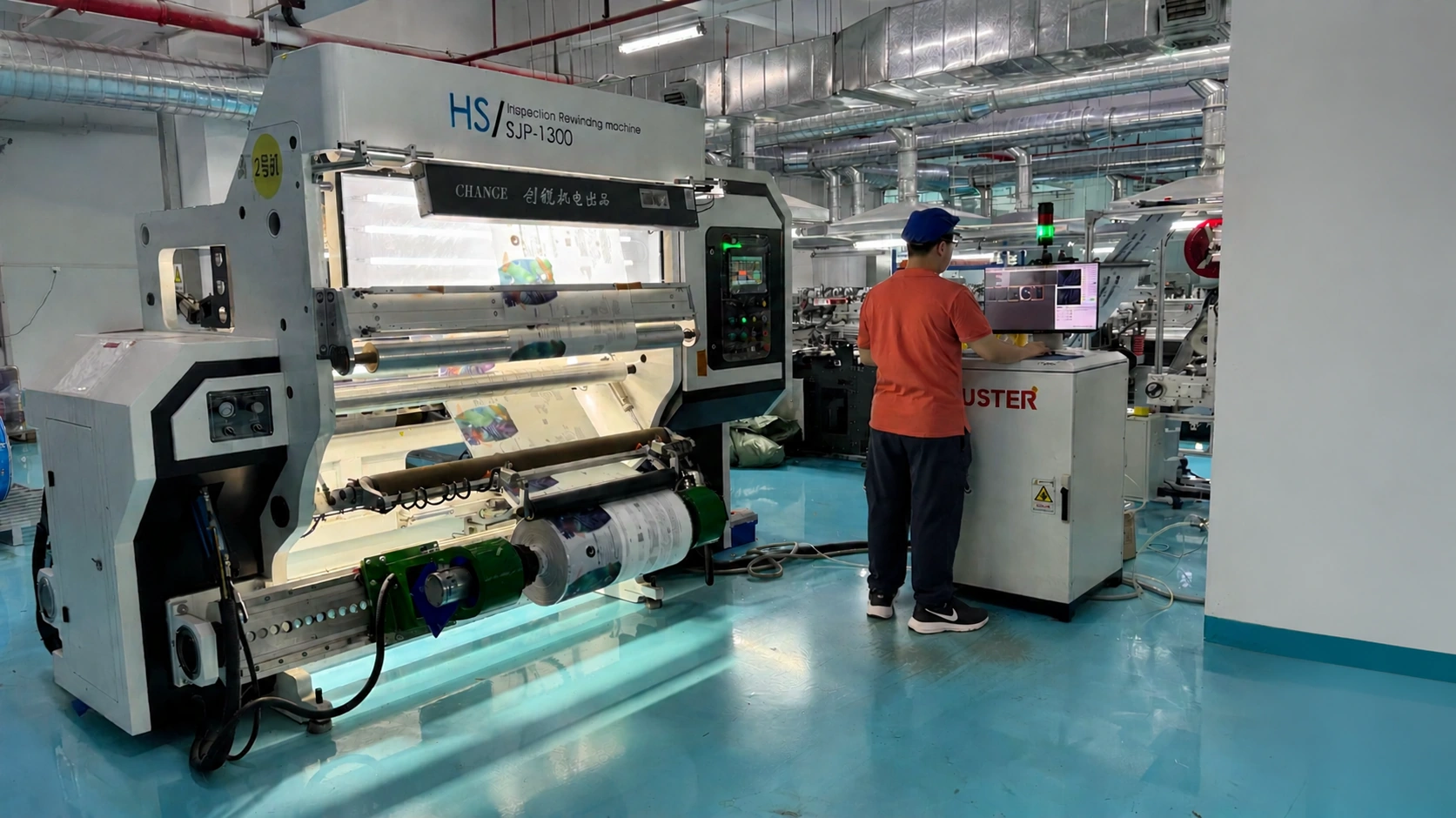
Define the intended use
Start by identifying the food type, whether it is dry, fatty, acidic or otherwise sensitive, the expected contact time and temperature, and whether the package will be used for ambient, refrigerated or frozen distribution.
These details help determine which material and compliance assessments are relevant. A general statement such as “food grade” is not a substitute for reviewing the specific application.
Request relevant material documentation
Ask suppliers for applicable declarations, specifications and supporting test information for the proposed materials and intended market. Confirm that the documents relate to the actual structure and use conditions being purchased.
Where testing is needed, the test scope and conditions should be matched to the product, contact scenario and destination-market requirements.
Review the converting process and traceability
Food packaging quality also depends on manufacturing controls, material identification, process discipline, hygiene practices and traceability. Buyers may ask how incoming materials, work-in-process and finished products are identified and checked.
Supplier certifications can provide useful information about the management system and audited scope, but they do not replace product-specific food-contact compliance documentation.
Confirm the destination market
Requirements can differ by country, food type and intended use. Buyers should confirm the applicable rules with their regulatory or compliance team and ensure the supplier's documentation covers the specific application.
For complex or sensitive uses, obtain a qualified regulatory review before approving the packaging for commercial use.