
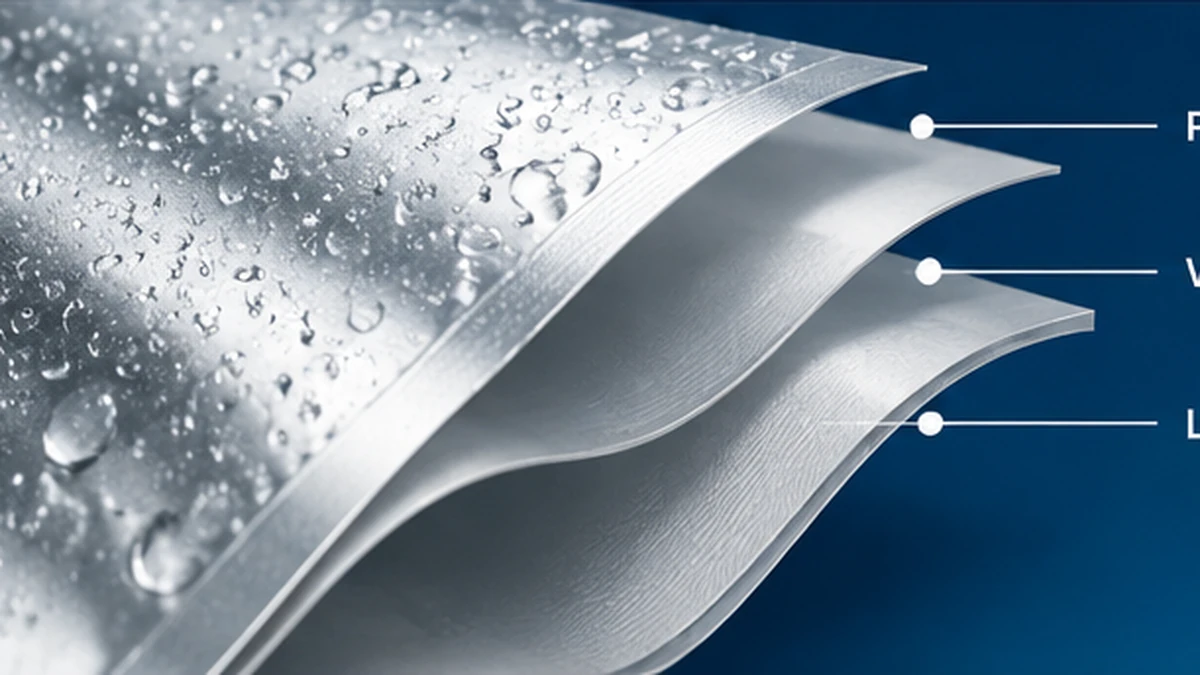
Why this matters to packaging buyers
Moisture transfer can soften crispy foods, clump powders and change texture.
For a US food manufacturer, co-packer or private-label brand, packaging decisions affect more than shelf appearance. They can change packing-line efficiency, material spend, product protection, storage and the consistency of repeat orders. A useful supplier discussion starts with the product and filling process, not a generic pouch catalog.
What to evaluate before ordering
Assess WVTR, seal integrity, humidity exposure and the product's water activity.
Before choosing a construction or approving an order, document these practical requirements:
- Product: food type, composition, fill weight, texture and sensitivity to oxygen, moisture or light.
- Format: stand-up zipper pouch, three-side-seal pouch, flat-bottom pouch, pillow bag or printed rollstock, as appropriate.
- Materials: target thickness and any required oxygen or water-vapor barrier supported by test data.
- Production: filling equipment, seal temperature range, registration, unwind direction and handling conditions when relevant.
- Design: artwork, color expectations, surface finish, labels, barcode and legal copy.
- Commercial: quantities by SKU, forecast, sampling requirements, destination and delivery terms.
How to compare supplier proposals
Request quotations using the same dimensions, film construction, quantity and printing requirements. Otherwise a lower unit price may simply reflect a different material or reduced scope. Ask for a clear specification sheet and approval sample before production. Where a performance claim matters, agree in advance on the method of testing and acceptable results.
Moisture-resistant packaging cannot reverse moisture already present in the product.
Which custom packaging options can Fuhehu supply?
Fuhehu Packaging manufactures custom printed flexible pouches and rollstock film. Our stated capabilities include a 10,000 m² facility, gravure printing up to nine colors, digital printing and a starting MOQ of 3,000 pieces for eligible pouch programs. Exact specifications, prices, production timing and DDP options must be confirmed for each project.
Depending on the application, options can include resealable zippers, tear notches, hang holes, matte or glossy appearance and custom dimensions. We recommend selecting these features against the product's use and filling conditions rather than adding them by default.
Frequently asked questions
What does WVTR measure?
The answer depends on the exact product, structure and process. Share your intended use, technical requirements and expected order volume so the supplier can evaluate the correct solution and supporting evidence.
Why do seals matter?
Compare options against your target shelf life, production method and total delivered cost. For regulated or performance-sensitive applications, request appropriate documentation and validation rather than relying on marketing descriptions.
What information should I send for a quotation?
Provide the product to be packed, target fill weight, bag dimensions or sample, preferred pouch style, estimated quantity per artwork, artwork files, destination and any barrier or shelf-life requirements.
Can Fuhehu support US delivery?
US-bound delivery options, including DDP arrangements, can be discussed for an individual order. Confirm the destination, scope and customs responsibilities in the quotation.
Practical buyer checklist: Identify where moisture enters
- Assess laminate WVTR, seals, zipper closure and storage humidity.
- Evaluate whether the product needs a desiccant, and check food-safety suitability separately.
- Use accelerated or real-time testing as appropriate to validate target shelf life.
Questions to ask before approval: What evidence supports the chosen material and performance? Has the filled pouch been tested on the intended packaging line? What is included in the written quotation?
Request a custom packaging quotation
Looking for custom printed food pouches or rollstock? Contact Fuhehu Packaging through the website's Request a Quote form. Share your specifications and artwork so our team can assess materials, print method, sample needs and production feasibility.
Request a custom packaging quotation
Share your product, pouch format, dimensions, order quantity, artwork and destination so Fuhehu Packaging can review the appropriate packaging options.
REQUEST A QUOTE